HOF: Sports Stats & Data
4.4 362.00 Reviews
Analysis By AppCompare
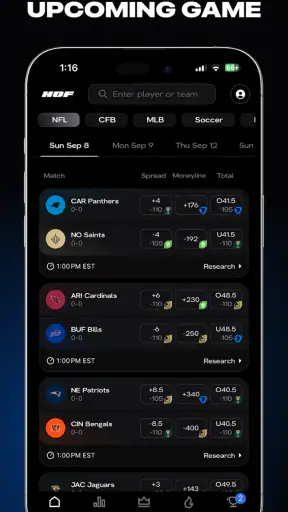
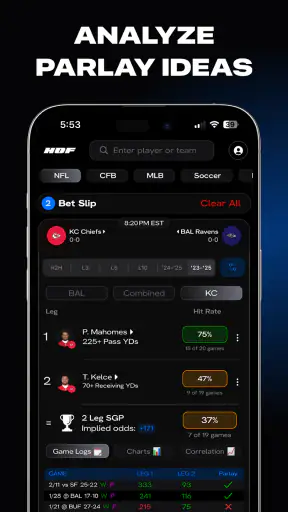
When I use HOF: Sports Stats & Data, I am not treating it like a scoreboard that I open only after a game ends. Its main appeal is the chance to research players and games in one place, then turn that information into a more informed sports opinion. That focus makes it more useful for people who enjoy comparing performances, checking context before a matchup, or following player trends rather than simply looking for a final score.
This is a free sports app from HOF: Sports Stats & Data, with optional in-app purchases that range from $4.99 to $119.99 per item. It carries a Mature 17+ content rating, runs on Android 7.0 and later, and its current version is 3.10.3. The app has reached over 100,000 installs and holds a 4.4 average from around 1,900 ratings, which gives me the impression of an established tool rather than an experimental download.
Researching players instead of just checking scores
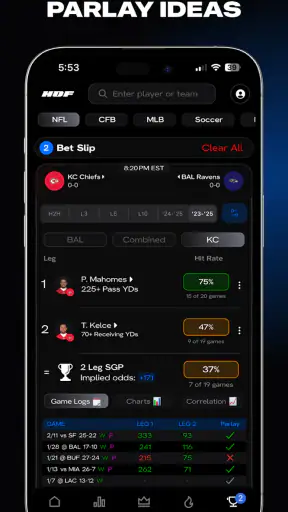
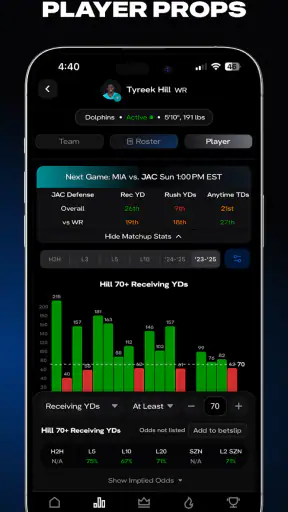
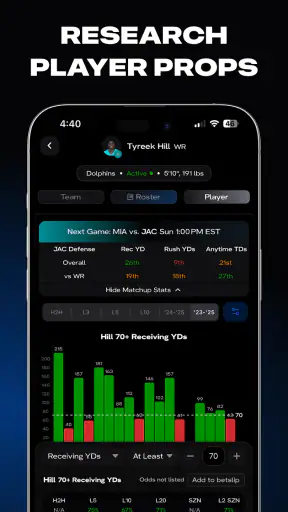
The most important capability here is the research angle. A normal sports app often answers a quick question: who won, what was the score, or when is the next game? HOF is more interesting when my question is less immediate. I might want to compare two players, look back at how someone has performed, or understand a game through individual statistics instead of relying on a headline.
That difference sounds small, but it changes how I use the app. A score tells me what happened. Player and game research helps me ask why the result looked the way it did. It is particularly useful when a player’s reputation is based on recent form, when a matchup feels close, or when I want more context before making a fantasy decision or discussing a game with friends.
I also like that the app’s purpose is clear from the start. It is not trying to be a social network, a sports news magazine, or a game itself. The experience is built around information. That makes it easier to judge: if I want research material, HOF has a sensible reason to be on my phone; if I only want alerts and headlines, it may feel more detailed than necessary.
The practical benefit is that I can use the same research habit for both players and games. Instead of opening one app for schedules, another for player pages, and a browser tab for extra context, I can begin with the matchup or athlete that interests me and follow the statistics from there. I would not call this a replacement for every sports service, but it gives me a more focused starting point than a basic live-score app.
How the research workflow feels in everyday use
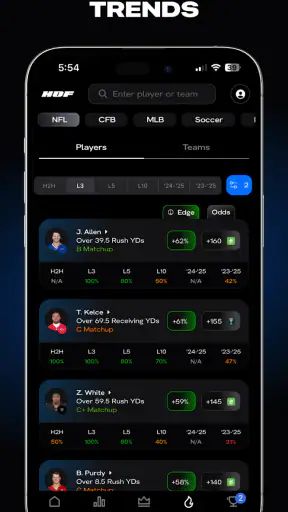
I find the best approach is to begin with a specific question. For example, before watching a game, I might check the players involved and compare the information available for each one. I am not simply scrolling through numbers; I am looking for a pattern that can change how I watch. Is one player coming into the game with stronger recent form? Does another deserve more attention because the matchup could expose a weakness? The value comes from connecting the research to a real decision.
That workflow also prevents one of the common problems with sports statistics: collecting numbers without knowing what to do with them. HOF works better when I use it as a pre-game notebook. I decide what I want to learn, inspect the relevant player or game information, and then stop once I have enough context. Used that way, the app feels purposeful instead of overwhelming.
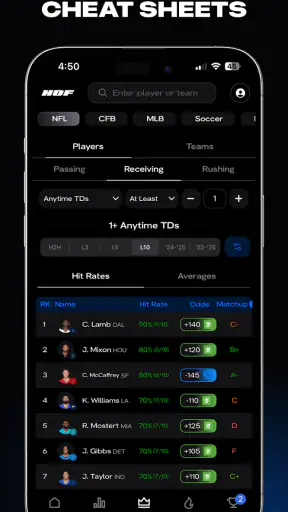
A useful habit is to compare players in the same role or situation rather than comparing raw totals without context. A high total can reflect opportunity, playing time, or a particular team environment. A lower figure does not automatically mean a player is less valuable. HOF can support the comparison, but I still need to interpret it carefully. The app gives me research material; it does not remove the need for judgment.
I also prefer checking the information before a conversation or viewing session rather than trying to research everything while a game is moving quickly. Live action is too fast for thoughtful comparison. A few minutes spent beforehand can make the game more engaging because I know which individual battles or performances deserve attention.
For someone who follows several sports, this research-first approach can be more efficient than searching the open web. Web searches often return news stories, opinion pieces, advertisements, and unrelated results before reaching the exact player or game information I want. HOF’s dedicated purpose gives me a cleaner place to begin, even though I would still use other sources when I need broader reporting or commentary.
The best everyday scenario: preparing before a matchup
My favorite use case is a short pre-game routine. Imagine that I have a few minutes before meeting friends to watch a matchup. Rather than reading random predictions, I open HOF and research the players who are likely to shape the game. I compare the relevant information, note which performance trend interests me, and go into the game with a sharper idea of what to watch.
This is more useful than it may sound. During the game, I can tell whether a player is meeting expectations or whether the contest is developing in an unexpected way. Afterward, I can return to the game information and reflect on whether my pre-game reading was reasonable. That creates a simple loop: research, watch, reconsider. The app becomes part of how I follow sports, not just a place I visit when I forget a score.
It can also help when a friend makes a confident claim such as “that player always performs in this situation.” Instead of arguing from memory, I can use HOF to investigate the player and game context. I would still avoid presenting one statistic as a complete verdict, but having a focused research tool makes the conversation more grounded.
Another good scenario is fantasy sports preparation. I would not rely on one app alone for a decision involving lineups, injuries, or changing news, but HOF can help me examine the player side of the decision. It is most valuable as a research layer: I can use it to compare candidates, identify questions worth checking elsewhere, and avoid choosing someone purely because their name is familiar.
The same process works for a fan who is learning a sport. New followers often know the headline stars but struggle to understand why certain players matter. Looking at player and game information before watching can provide a clearer frame of reference. It turns a complicated matchup into a set of individual stories that are easier to follow.
Where it differs from familiar sports apps
Compared with a standard scoreboard app, HOF feels less disposable. A score app is excellent when I need a fast answer and nothing more. I can open it, confirm a result, and leave. HOF earns its place when I want to stay with a question for longer and examine the people or games behind the result.
Compared with a general sports news app, the emphasis is also different. News apps are better for articles, breaking developments, interviews, and wider league coverage. HOF is more suitable when I want to research rather than read a stream of stories. That can make it feel calmer and more useful for analysis, but it also means readers who mainly want journalism may find the experience narrow.
Compared with a web search, the advantage is focus. I do not have to phrase every question from scratch or sort through unrelated pages. The trade-off is that a dedicated statistics tool may not provide the narrative explanation I would get from a reporter. If I need to know why a coach changed a lineup or what an injury means, I would look beyond HOF.
Compared with a fantasy-focused service, HOF should be treated as a research companion rather than a complete decision system. Fantasy users often need timely news, lineup status, projections, and league-specific tools. The player and game research capability can improve the thinking behind a choice, but it does not make every other resource unnecessary.
Trade-offs I noticed before recommending it
The first trade-off is depth versus speed. If I only want a final score, the research-oriented design is more than I need. The app makes the most sense when I am willing to spend time examining a player or game. Casual users may open it once, see that it is built for deeper research, and decide that a simpler scoreboard is a better fit.
The second is interpretation. Statistics can create a false sense of certainty, especially when I compare players without considering role, opportunity, opposition, or the circumstances of a game. HOF helps me gather information, but I have to resist turning one attractive number into a complete conclusion. My best results come from using several pieces of context and keeping my expectations modest.
The third trade-off involves the free model. The app is free to download, which makes trying it straightforward, but optional purchases sit between $4.99 and $119.99 per item. That wide range means I would inspect what a purchase unlocks before spending anything. A casual fan may be perfectly satisfied with the free experience, while a frequent researcher may consider paid access only after confirming that it improves the specific workflow they use.
I would also keep the age rating in mind. The Mature 17+ label means this is not an app I would casually hand to a younger sports fan without checking whether it suits them. The rating is part of the product information I would consider before recommending it to a family member, even if the main appeal is statistical research.
There is a mental cost to using any statistics-heavy tool: it can make sports feel like a spreadsheet if I let the numbers replace the enjoyment of watching. I get the most from HOF when I use it to add curiosity, not when I try to quantify every moment. A short, targeted research session is usually better than endlessly browsing.
Small habits that make the app more useful
My first tip is to write down the question I am trying to answer before opening the app. “Which player is better?” is too broad. “Which player deserves closer attention in this matchup?” is more practical. A precise question helps me avoid wandering through information and makes it easier to decide when I have learned enough.
My second tip is to research both sides of a comparison. Looking only at the player I already favor encourages confirmation bias. Checking the opponent or alternative gives me a more honest view and can reveal that the matchup is closer than I expected.
My third tip is to separate preparation from verification. I can use HOF to form an initial view, then watch the game and revisit that view afterward. This is a better test of my reasoning than checking numbers only when they support my opinion. It also makes the app useful for learning how I interpret sports information.
A fourth useful habit is to avoid making a decision immediately after seeing a standout figure. I pause and ask whether the number describes a trend, a single performance, or a situation that may not repeat. This is especially important for fantasy choices and debates where confidence can be more persuasive than accuracy.
Finally, I would use the app alongside, not instead of, current reporting when timing matters. A research tool can help me understand a player, but breaking news can change the meaning of that research. For a major decision, I would check the latest relevant information elsewhere before acting.
Who will gain the most from HOF
The strongest audience is the curious sports fan who enjoys looking beneath the result. If I like comparing players, preparing for games, discussing performances, or building my own view before reading other opinions, the app has a clear purpose. It is also a good fit for someone who wants a more organized research routine than repeated web searches provide.
Fantasy players can benefit when they use it thoughtfully. The app can help structure player comparisons and make a lineup discussion less dependent on reputation. I would still pair it with services designed for current availability and league-specific decisions, because research and real-time fantasy management are not exactly the same job.
It may also suit sports students, amateur analysts, and fans who are trying to understand a new league or competition. The focused player-and-game approach gives them a reason to investigate rather than passively consume results. The learning value comes from asking better questions and checking whether the information supports a conclusion.
On the other hand, I would skip it if my only requirement is instant scores, push alerts, or a constant news feed. I would also choose a different option if I need long-form journalism, live commentary, or a highly specialized fantasy dashboard. HOF is not weak because it does not do all those jobs; it is simply designed around a narrower and more deliberate use.
The purchase structure is another reason to be selective. I would start free, test the research workflow with the players and games I actually follow, and only then consider whether an optional purchase is worthwhile. That approach protects casual users from paying for depth they may not use and gives regular researchers a practical way to judge the value for themselves.
My final recommendation
After using HOF as a research companion, I see its greatest strength in how it changes the question I bring to a game. Instead of stopping at who won, I can investigate the players and circumstances that made the result interesting. That is a meaningful benefit for fans who enjoy context and comparison.
It is not the universal sports app I would recommend to everyone. Score-focused users will probably prefer something faster, while news readers and serious fantasy managers may need additional tools. The optional purchases also deserve a careful look before any commitment, and the Mature 17+ rating should be considered when deciding who should use it.
For me, the recommendation is straightforward: try the free version if you want a focused way to research players and games, especially before watching a matchup or making a considered fantasy choice. The app is at its best when it supports your judgment rather than pretending to replace it. That makes it a useful addition to a sports fan’s toolkit, provided you enjoy asking what the numbers mean instead of merely collecting them.
FAQ
What is HOF: Sports Stats & Data used for?
HOF: Sports Stats & Data is designed for sports fans who want to follow player statistics, team performance, historical data, and other information in one place. After exploring the app, its main value is the ability to compare numbers and review trends rather than simply checking scores. It can be useful for fantasy sports, research, debates, and anyone who enjoys analyzing performance beyond headlines.
Which sports and competitions are covered in HOF: Sports Stats & Data?
The available sports, leagues, and competitions may depend on the app version, region, and current data partnerships. HOF focuses on presenting sports statistics and data, but coverage can vary between popular professional leagues and less widely followed competitions. Before downloading, users should check the current store listing and in-app categories to confirm that their preferred sport, league, team, or player is supported.
Does HOF: Sports Stats & Data provide live scores and real-time updates?
The app is primarily centered on sports statistics and data, so users should not automatically assume that every competition includes complete live-score coverage or instant play-by-play updates. Some information may refresh quickly, while other records can be updated after a game or event has finished. If real-time alerts are important to you, review the app’s notification options and current coverage before relying on it during matches.
Is HOF: Sports Stats & Data free to download?
HOF: Sports Stats & Data may be available as a free download, although access to certain features, advanced statistics, premium content, or an ad-free experience can depend on the current business model. Store pricing and subscription terms may also differ between Android and iOS. We recommend checking the official download page for the latest information, including in-app purchases, trial periods, and renewal conditions.
Is HOF: Sports Stats & Data easy to use for beginners?
The app is most suitable for users who enjoy exploring sports numbers, but beginners may need a little time to understand the different statistics and comparison tools. The experience is easier when you start with a familiar team or player and gradually explore historical records and performance categories. Data-focused users will likely appreciate the depth, while casual fans may prefer using it alongside a simpler scores or news application.
Pros
- Covers multiple sports with detailed player and team statistics.
- Useful for comparing form
- trends
- and historical performance.
- Clean interface makes key data easy to scan.
- Regular updates help keep information relevant during live seasons.
- Helpful for users who enjoy data-driven sports analysis.
Cons
- Some advanced statistics may require a subscription or paid access.
- Coverage and data depth can vary between sports and competitions.
- The large amount of data may feel overwhelming for casual fans.
- Live updates may depend on the sport
- league
- or available data source.
- An internet connection is generally needed to access current statistics.